Arrest
The freedom seeker was detained after reaching Hamilton.
 CONTACT
The county jail where the freedom seeker in the July 1854 case was detained before attorneys sought habeas corpus relief.
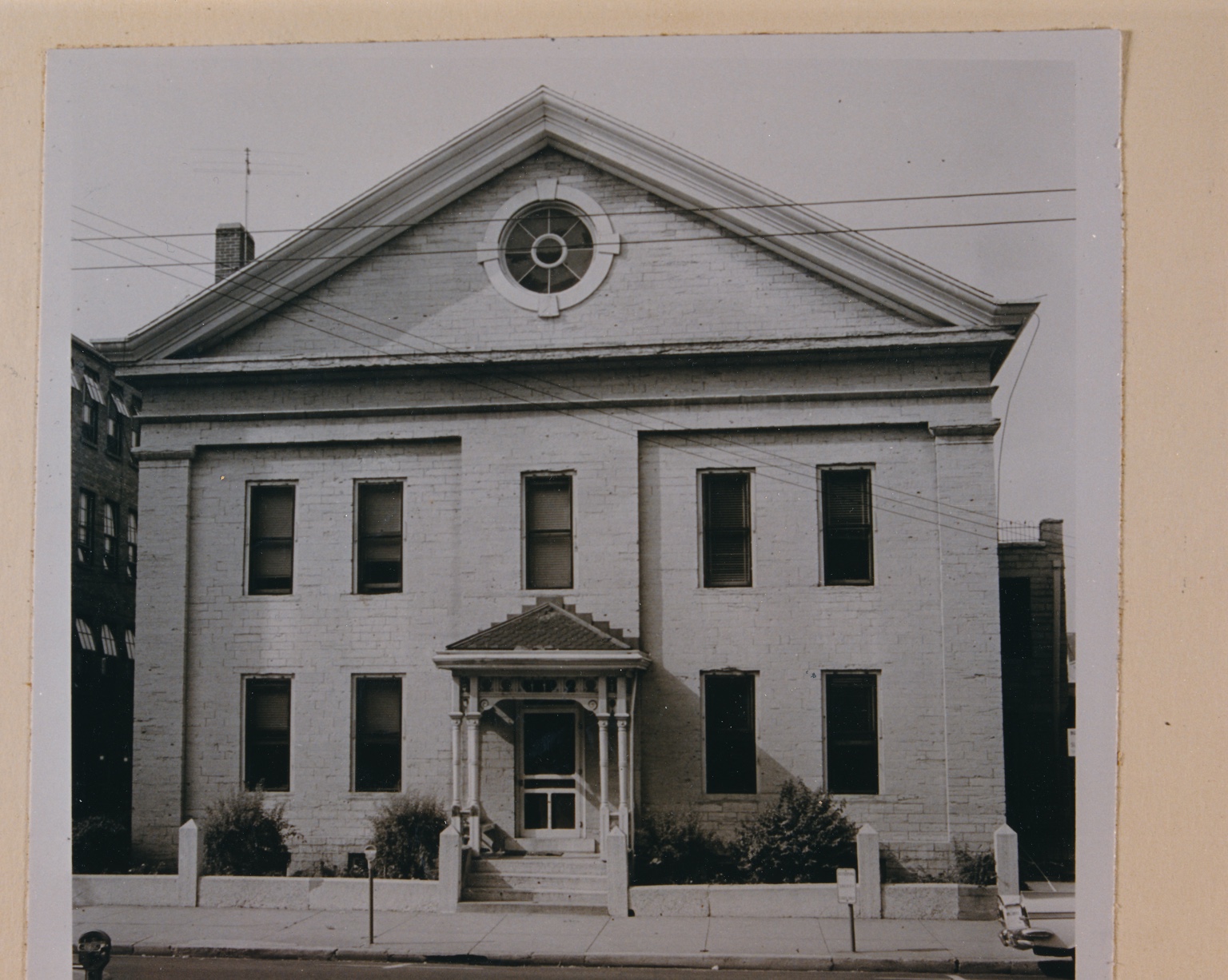
After the freedom seeker was arrested in Hamilton, he was transported by dray to the Butler County jail. The jail then in service had been erected in 1846 on the lot immediately south of the public square, fronting Basin Street, today's Court Street.
The habeas corpus proceeding that followed belongs to the courthouse and public-square portion of the story. Keeping the jail and courthouse separate matters because the 1854 sequence moved through distinct legal and physical spaces: arrest, detention at the jail, court intervention, release, and then assistance by Hamilton's local network.
The freedom seeker was detained after reaching Hamilton.
He was taken by dray to the Butler County jail.
N. C. McFarland and John R. Lewis sought judicial review of the detention.
Judge Thomas H. Wilkins ordered the man discharged.
After release, later testimony places Alfred J. Anderson and other Hamilton contacts in the onward movement.
Historic photographs like this one help reconstruct Hamilton's antebellum and nineteenth-century landscape after buildings have been replaced or removed. The image is especially valuable because it lets visitors distinguish the jail from the courthouse and visualize a documented event site in the 1854 case.