
A network revealed in one event
The case brings together the railroad, the Butler County jail and courthouse, Hamilton attorneys, a probate judge, Black community leadership, local Underground Railroad conductors, and the Great Miami River crossing. It is one of the clearest surviving examples of Hamilton's Underground Railroad network in motion.
The evidence comes from different layers. The Hamilton Intelligencer reported the case while it was happening in July and August 1854. Mark Campbell McMaken described the episode decades later when Wilbur H. Siebert was collecting Underground Railroad testimony. Where those sources agree, they strengthen the reconstruction. Where they differ, this project keeps the difference visible.
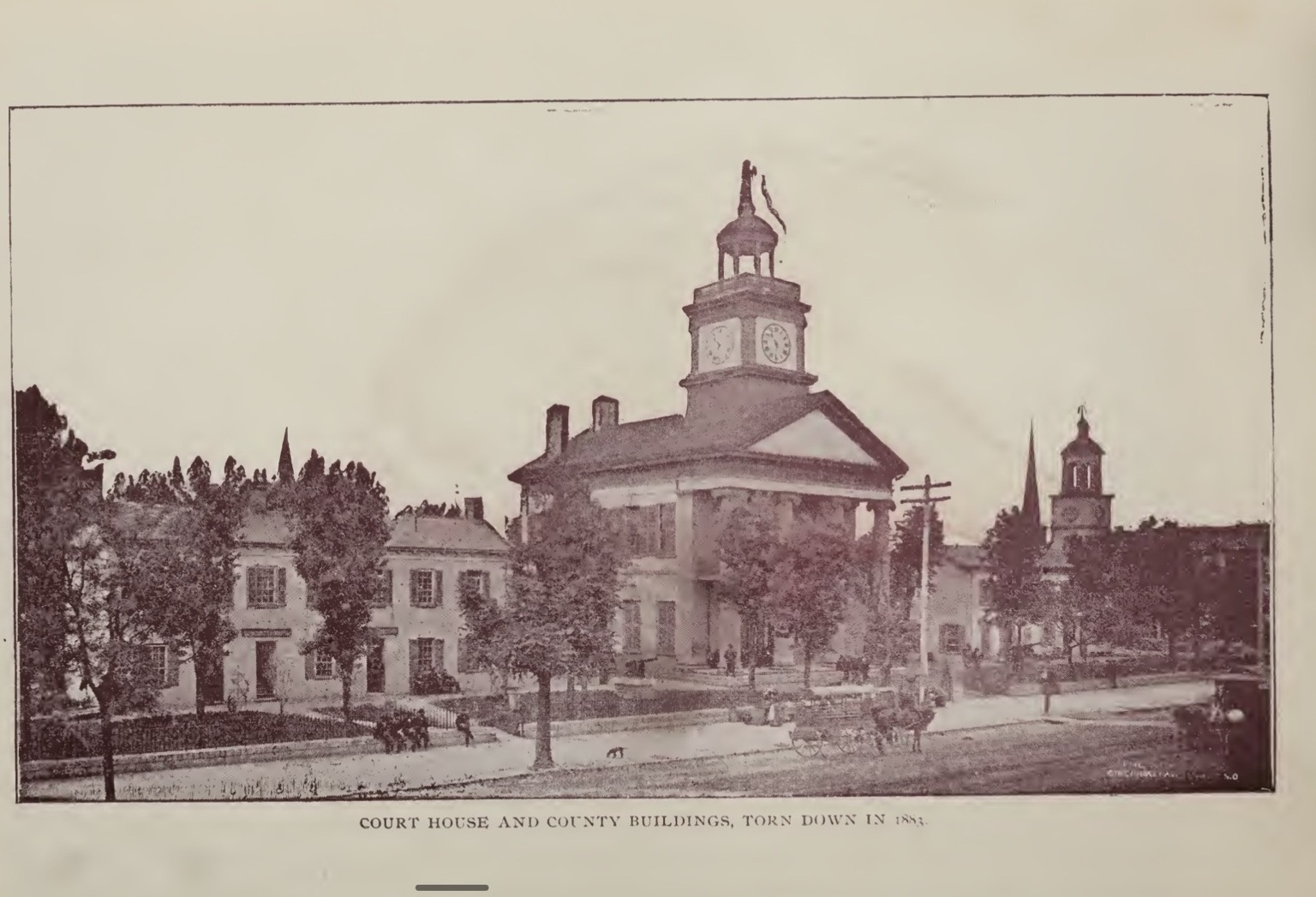
From arrest to escape from Hamilton
Railroad Arrival
The freedom seeker reached Hamilton by railroad from the Cincinnati direction.
Arrest & Jail
Marshal John C. Elliott arrested him and he was taken to the Butler County jail.
Legal Challenge
Noah C. McFarland and John R. Lewis sought a writ of habeas corpus before Judge Thomas H. Wilkins.
Released from Custody
Wilkins ordered his discharge from detention. This did not, by itself, legally emancipate him.
Concealed
McMaken later recalled Alfred J. Anderson taking charge of the man and hiding him until night.
Across the Great Miami
McMaken remembered Anderson escorting him across the railroad bridge and onward toward the northwest network.
What did habeas corpus actually do?
The writ did not make the freedom seeker legally free from slavery. Habeas corpus required the court to examine whether there was lawful authority to keep holding him in custody. Judge Wilkins's discharge meant that the detention being challenged could not continue on the legal basis presented to the court.
It did not grant emancipation, issue free papers, or settle every possible claim about his legal status. In practical terms, however, release from the jail created the opportunity for Hamilton's Underground Railroad network to move him beyond the reach of the people seeking to return him to slavery.
That distinction is essential: released from custody is not the same thing as legally emancipated.
Detention came first
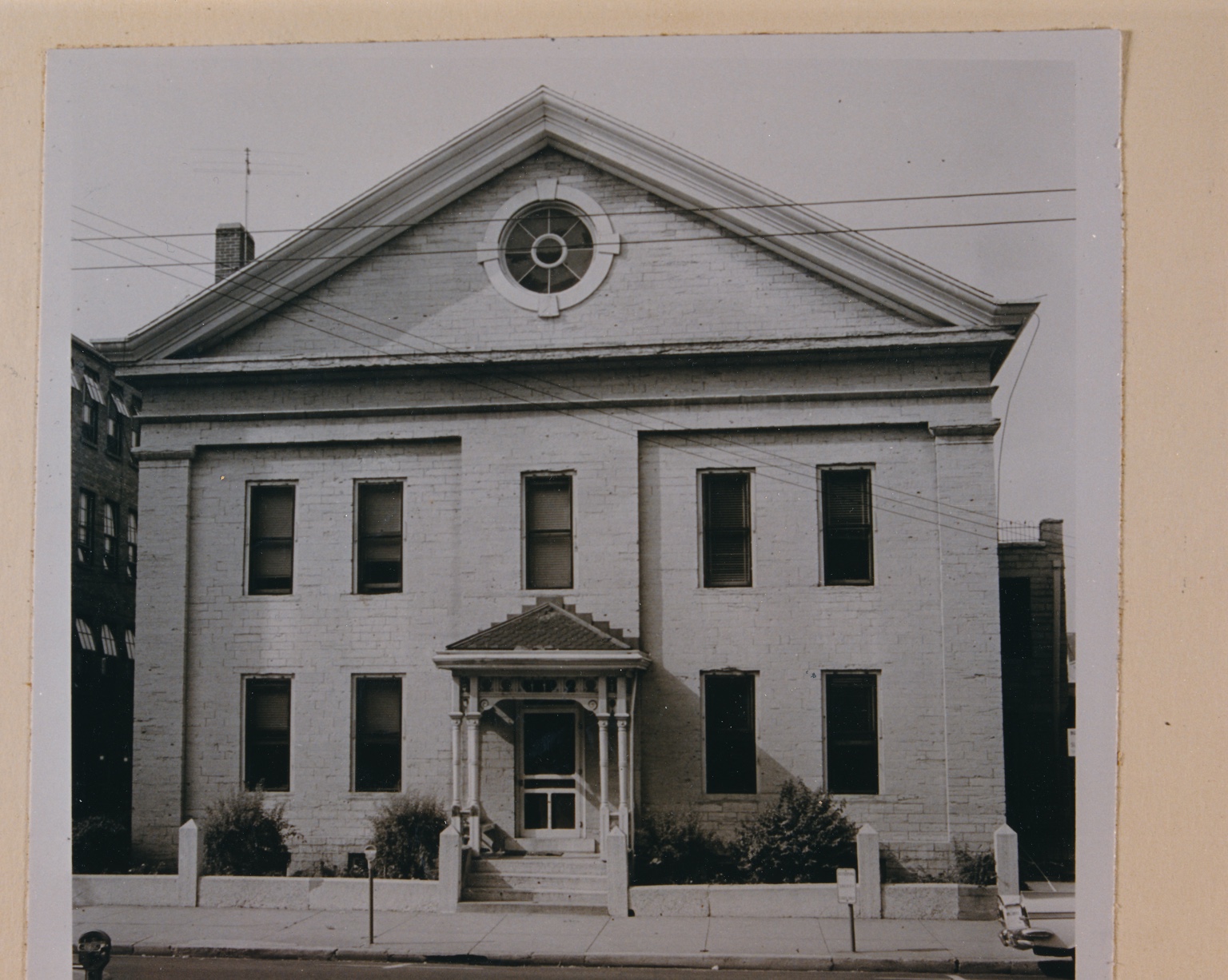
The jail and courthouse were separate places in the story. The freedom seeker was confined in the county jail on Lot 84, fronting what was then Basin Street, now Court Street. The legal challenge came afterward at the courthouse/public-square complex.
The legal intervention
Contemporary reporting names Noah C. McFarland and John R. Lewis as the attorneys who sought habeas corpus relief. The matter came before Probate Judge Thomas H. Wilkins, who ordered the man discharged from custody.
The July 27, 1854 Hamilton Intelligencer then reported that he departed with several “U.G.R.R. conductors.” That contemporary wording is unusually direct evidence that Hamilton's Underground Railroad network became involved immediately after the legal release.
Explore the Butler County Courthouse site →
Sheriff identification: Peter Murphy held the Butler County sheriff's office in 1854. McMaken's 1895 recollection later called the mounted sheriff “Bill Allen,” but William H. Allen did not enter the sheriff's office until years after the event. The horseback-and-sword detail remains McMaken's recollection and has not yet been independently confirmed.
Alfred Anderson and the route out of Hamilton
McMaken's later testimony supplies the detail that the contemporary newspaper does not. He recalled Alfred J. Anderson taking charge of the released freedom seeker, concealing him until night, and helping move him across the Great Miami by the railroad bridge.
The exact building in which Anderson concealed the man has not been proven. The project therefore distinguishes Anderson's documented role in McMaken's testimony from the still-unresolved physical hiding place.
July 27, 1854: two newspaper records
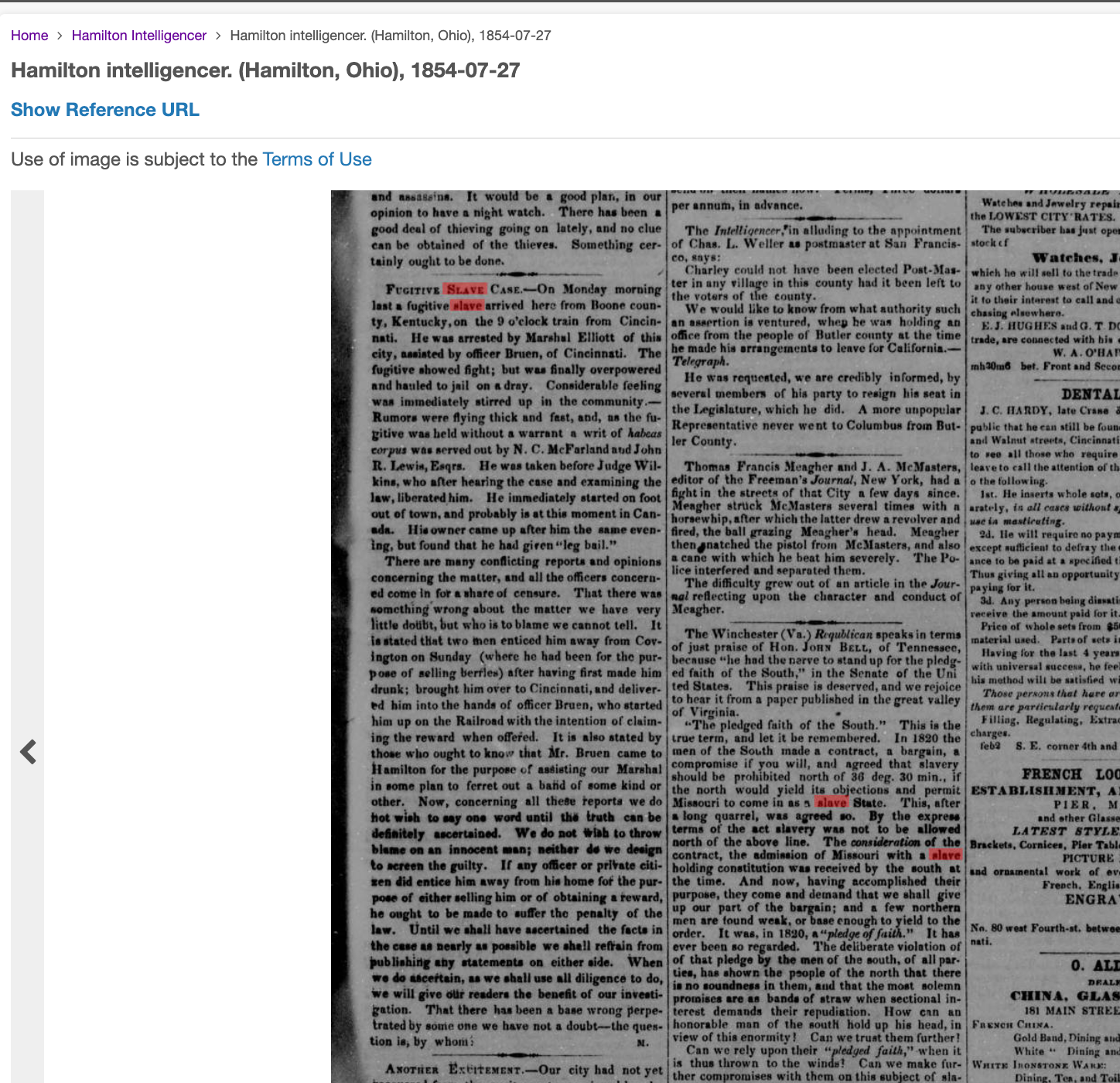
The project preserves two contemporary July 27 records separately rather than treating the day's reporting as a single item. The first is the Hamilton Intelligencer article headed “Fugitive Slave Case.” It reports the Boone County arrest, Marshal Elliott, Officer Bruen, the dray and jail, the habeas corpus action by N. C. McFarland and John R. Lewis, Judge Wilkins's discharge, and the Underground Railroad conductors who assisted after release.
A second July 27 record preserved through Ohio Memory adds a woman rendered as “Jenny Acres,” Cincinnati railroad/depot movement, the Hamilton jail and courthouse crowd, and discussion of a possible false-imprisonment action. Current research identifies Jane B. Acra as the strongest and probable working identification for “Jenny Acres,” while preserving the distinction between a strong identification and a proven one.
The case continued after the release
On August 3, 1854, the Hamilton Intelligencer returned to the story. The paper published a statement attributed to Marshal Elliott and reported speaking with two men connected to the Kentucky claimant, described as the enslaver's nephew and overseer.
According to the newspaper, those men said the freedom seeker had crossed the Ohio River at North Bend around midnight before reaching Hamilton. The same reporting also discussed conflicting allegations about Cincinnati officers and how the man had reached the railroad. These claimant-side statements are valuable contemporary evidence, but the project treats them as reported testimony rather than independently proven facts.
Different sides of the same Hamilton story
Sources used to reconstruct the case
Contemporary evidence: the July 27, 1854 Hamilton Intelligencer contains two separate articles on the same newspaper page in the same issue. The principal “Fugitive Slave Case” article names McFarland, Lewis, Wilkins, and the man's departure with Underground Railroad conductors. A companion article on that same page adds “Jenny Acres,” Officer Bruen, depot and dray details, the jail, the courthouse crowd, and the contemplated false-imprisonment action. The August 3 issue then preserves at least two distinct follow-ups, including Elliott's statement and separate claimant-side reporting.
Later testimony: Mark Campbell McMaken's 1895 testimony to Wilbur H. Siebert preserves the jail, crowd, Anderson concealment, railroad bridge, and onward-routing details. Because it was recorded decades later, this project uses it alongside, not in place of, the contemporary newspaper record.
Jane B. Acra and the William Acre family
New Orange County, Virginia probate research has established the family behind Jane B. Acra. William Acre's will names Jane, Polly, Robert, Reuben, James, Lucy, Nancy Amos, Frankey Acre, and the children of deceased Betsy Morris. His estate inventory names Ailse, Ben, Rachel, Peter, Winny, and Kitt.
This materially strengthens the project's working identification of Jane B. Acra as the woman rendered “Jenny/Jennie Acres” in the July 1854 reporting. It also provides the strongest documentary bridge yet to Frances Acra's later statement that she, Polly, and Jane acquired enslaved people at their father's sale in Virginia.
The August 3 follow-up separately identifies a “Mr. Carpenter” to whom the freedom seeker had been hired. Cornelius Carpenter, a Boone County enslaver with documented neighborhood and estate-sale proximity to Acra family members, is now the project's strongest candidate for that man. Neither identification is presented as conclusively proven.