Browse the people documented in Hamilton's antislavery, legal, religious, civic, and Underground Railroad history. Profiles distinguish direct evidence from broader historical context and identify unresolved questions when the record remains incomplete.
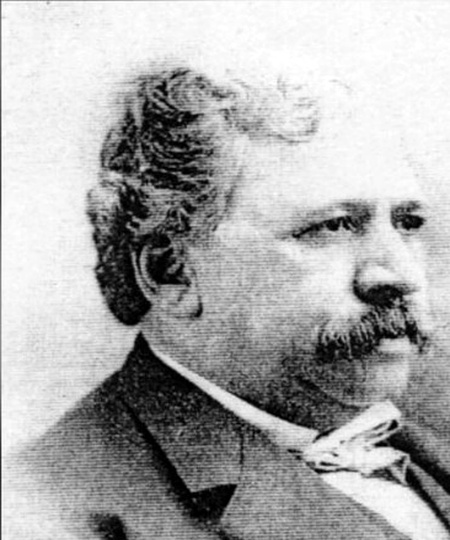
Alfred J. Anderson
Hamilton abolitionist, Underground Railroad operative, Black convention leader, antislavery writer, and voting-rights litigant whose activism reached from local churches and courtrooms to the national antislavery press.
DocumentedHamilton, 1854
Unknown Freedom Seeker, Hamilton, 1854
The unidentified man whose arrest, legal release, concealment, and onward movement reveal one of Hamilton's clearest documented Underground Railroad episodes.
Documented CaseNo authenticated historical portrait identified.
Jane B. Acra
The project's strongest working identification for the woman rendered as “Jenny/Jennie Acres” in contemporary reporting about the 1854 case.
Probable Identification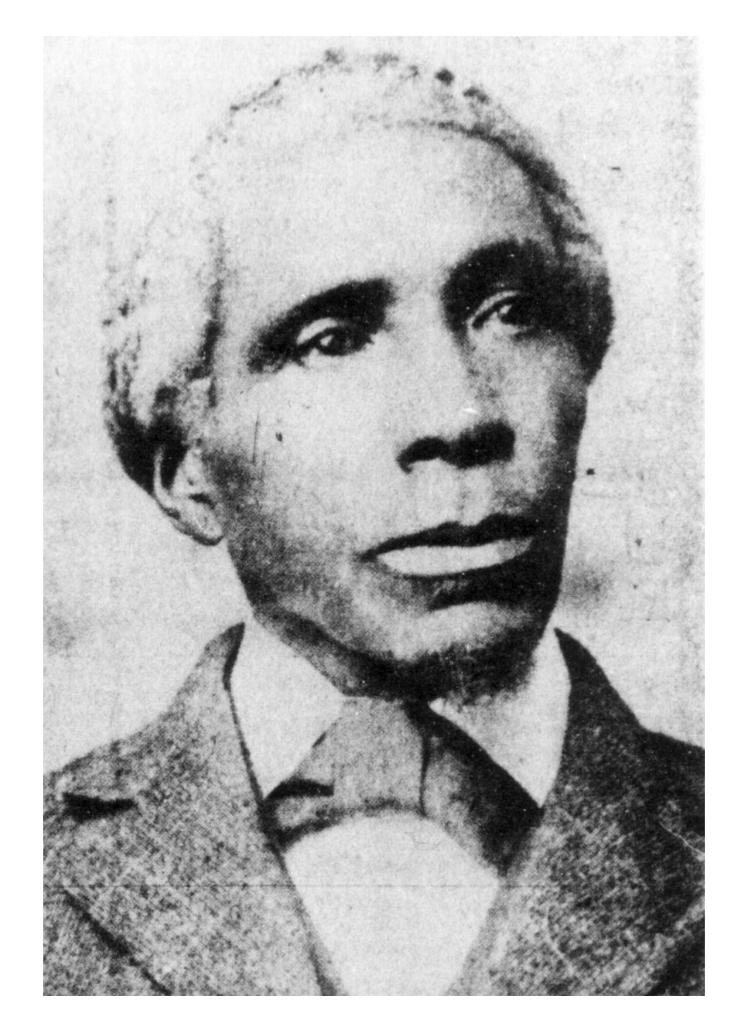
John S. Jones
Butler County farmer and documented Underground Railroad conductor who assisted his father, Jack Jones, and later operated a waypoint from his Booth Road farm in Oxford Township.
Documented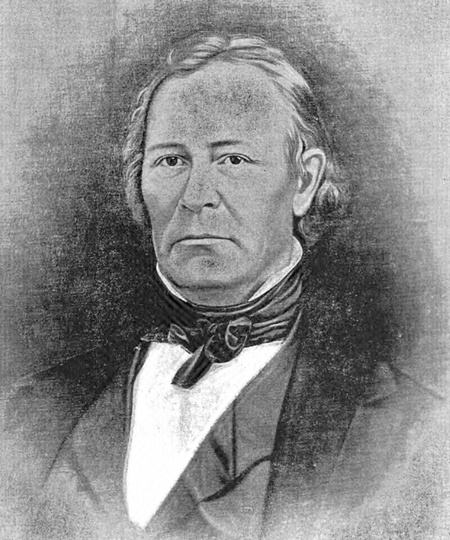
John Woods
Principal Hamilton correspondence contact named by Mark Campbell McMaken and a central figure in the city's civic and antislavery network.
Documented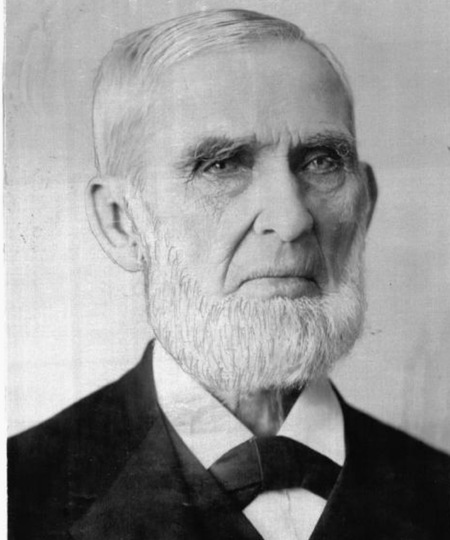
Mark Campbell McMaken
His 1895 interview with Wilbur H. Siebert preserves the strongest surviving first-person account of Hamilton UGRR operations.
Documented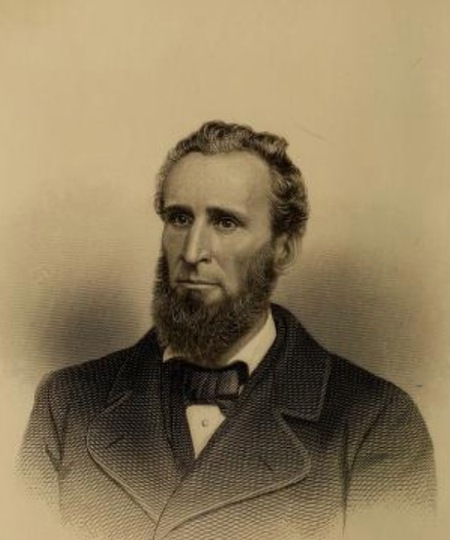
Rev. William Davidson
Minister of Hamilton's Associate Reformed congregation during the period of the 1854 freedom seeker case.
Corroborated Context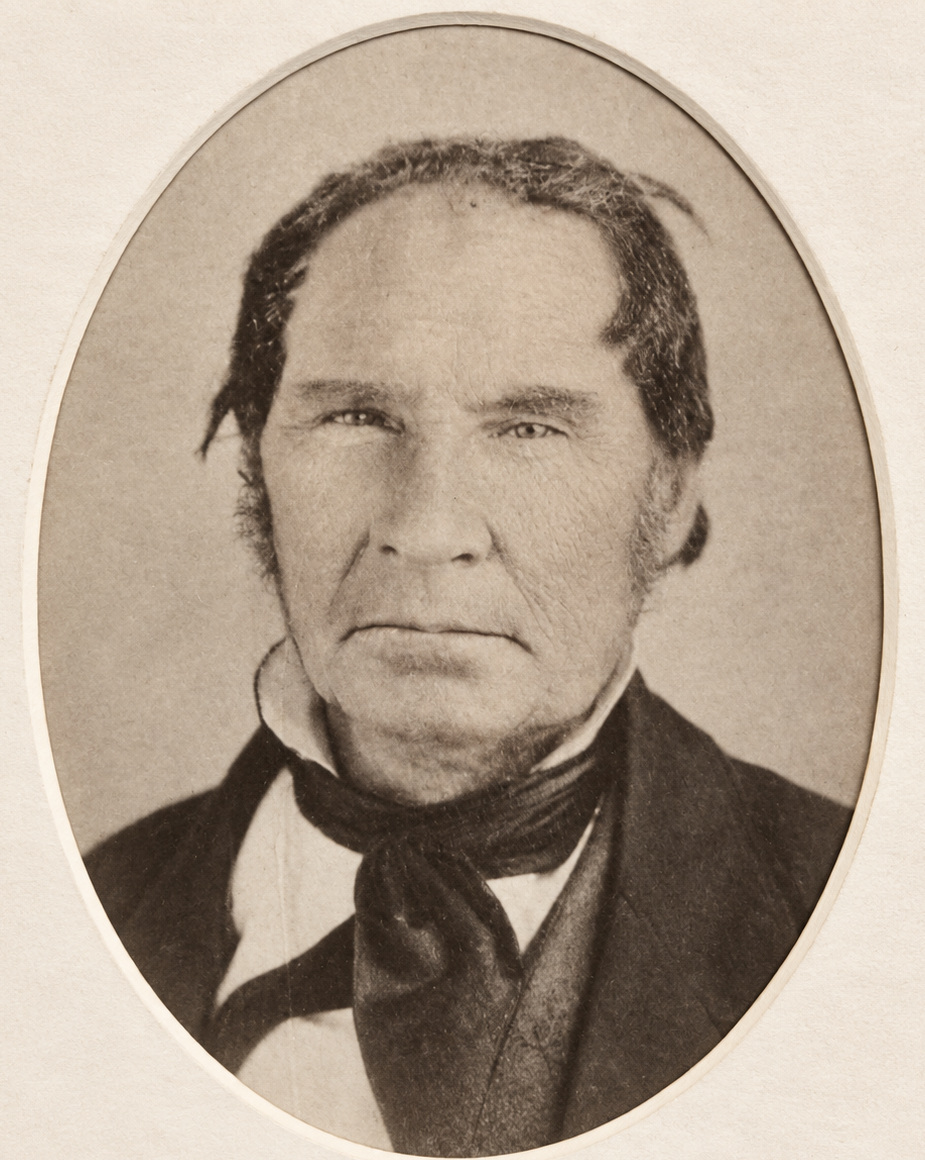
Rev. David McDill
Associate Reformed minister and editor whose Hamilton religious network was openly debating and condemning slavery by the late 1820s.
DocumentedFarmer • Church Elder • Identity Research
Balthus / Baltis Rusk
Documented elder in Rev. Adrian Aten's explicitly abolitionist Associate Reformed congregation and a significant lead in the unresolved identity of Siebert's “Rev. Rusk.”
Documented Network • Identity Unresolved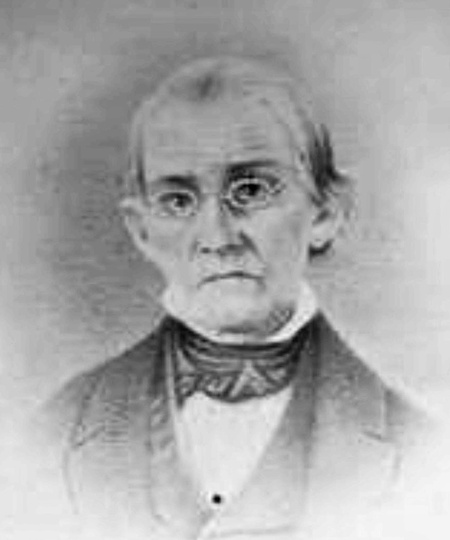
Rev. David Monfort
Presbyterian minister, Transylvania University classmate and documented friend of David McDill, linking two important religious networks connected to Hamilton.
Documented Context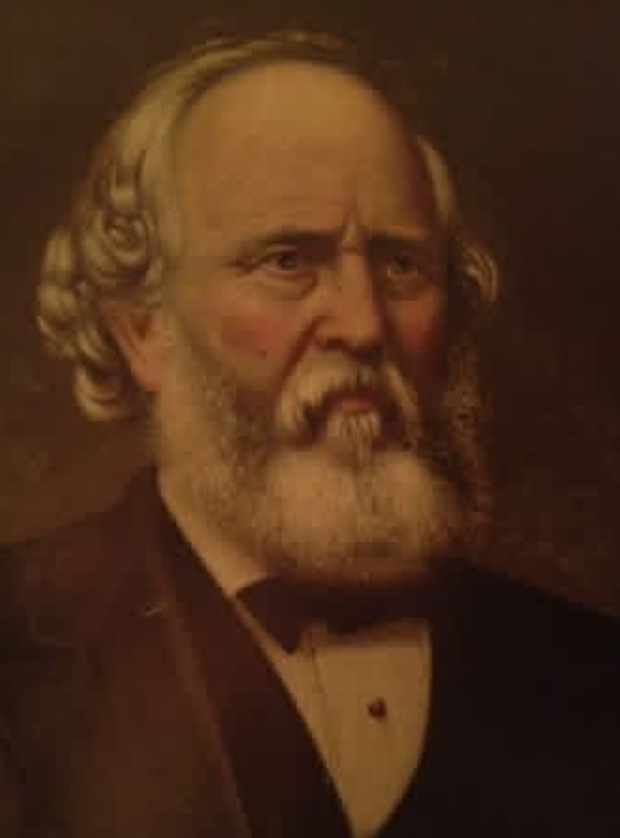
Rev. Joseph Glass Monfort
Hamilton Presbyterian minister, Miami University graduate, editor, and church leader whose life linked First Presbyterian Hamilton, the Presbyterian press, and the wider Monfort family network.
Documented Context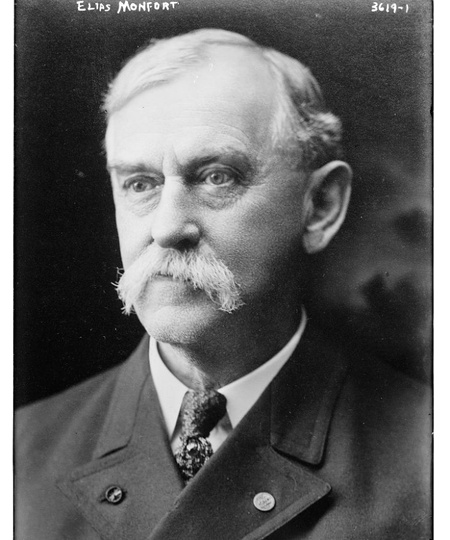
Elias Riggs Monfort
Civil War veteran, lawyer, editor of The Herald and Presbyter, and a person specifically recommended to Wilbur H. Siebert in 1892 for additional Underground Railroad information.
Documented Context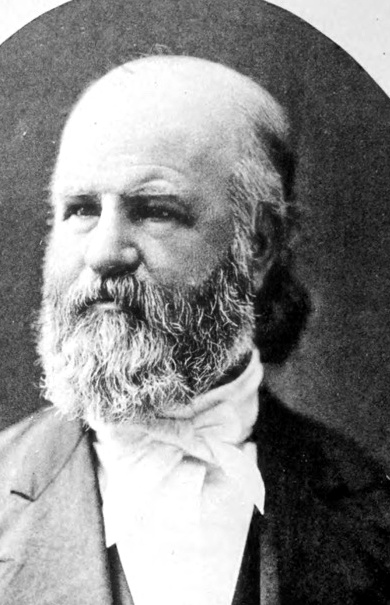
Rev. Thomas Ebenezer Thomas
Antebellum Presbyterian minister connected to Hamilton's First Presbyterian congregation and the broader church network being reconstructed by this project.
Corroborated Context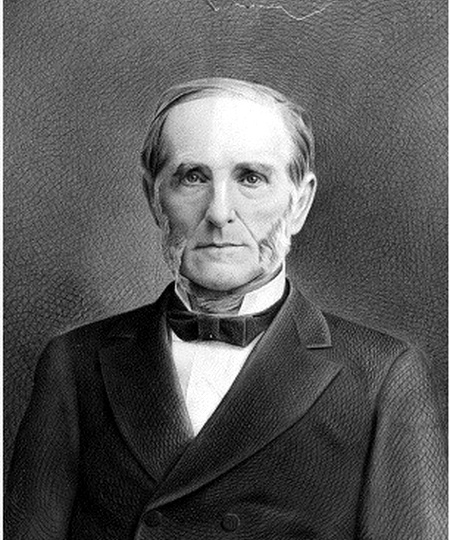
Noah C. McFarland
Hamilton attorney associated with the July 1854 habeas corpus proceeding and later documented as a Presbyterian elder.
DocumentedVerified portrait not yet identified.
John R. Lewis
Hamilton attorney who joined Noah C. McFarland in seeking habeas corpus relief for the freedom seeker in the July 1854 case. Lewis was received into First Presbyterian in 1847 and later served as Sabbath School superintendent.
DocumentedDr. Loammi Rigdon
Longtime Hamilton physician and the strongest identification for McMaken’s “Dr. Rigden,” whom he remembered as receiving Underground Railroad correspondence with John Woods.
Strong Identification • Under ReviewVerified portrait not yet identified.
John C. Elliott
Hamilton lawman and deputy U.S. marshal tied to the 1854 fugitive-slave arrest, later federal enforcement, the Carthage controversy, and Union Army service.
Expanded ProfileVerified portrait not yet identified.
William Morey
The 1882 Butler County history says Morey returned from New Orleans a radical abolitionist, lived on one of the lines of the Underground Railroad, and was known as a friend of Black people.
High-Priority POI • Property Under Research
Frederick Douglass
National abolitionist, writer, and orator who corresponded with Alfred J. Anderson and visited Hamilton in February 1858.
Documented_-_Brady,_N.Y_LCCN98504529.jpg?width=700)
Abraham Lincoln
Visited Hamilton in September 1859, placing the city within the political and transportation history of the late antebellum era.
Documented Context