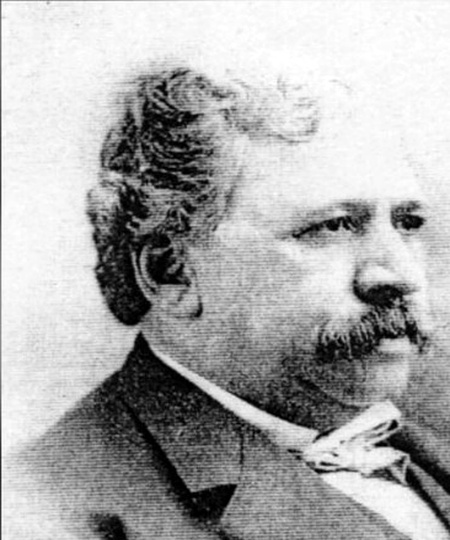
Alfred J. Anderson
Hamilton abolitionist, Underground Railroad operative, Black political leader, antislavery writer, and voting-rights advocate.
VIEW PROFILE → CONTACT
People. Places. Stories. A More Complete History.
Hamilton was a documented way station and routing point on the Underground Railroad. Surviving evidence reveals legal intervention, Black leadership, church and civic networks, railroad movement, and people willing to act when freedom was at stake.
A documented Hamilton case lets us see different parts of the local network in motion. The jail and courthouse were separate event sites, and the churches are interpreted as network context rather than as proven stops in the journey.
The freedom seeker was detained and taken to the 1846 Butler County jail.
Noah C. McFarland and John R. Lewis sought habeas corpus relief.
Judge Thomas H. Wilkins ordered his discharge from custody.
Alfred J. Anderson took charge of the man and hid him until night.
Anderson escorted him across the railroad bridge over the Great Miami.
The next conductor carried him toward Quaker and regional freedom networks.
Hamilton's courthouse, jail, churches, Black First Ward, river crossing, and railroad infrastructure occupied a compact landscape. The project uses maps, newspapers, church records, legal sources, photographs, and later testimony to separate what is documented from what remains unresolved.
The map shown here is a research graphic with annotations. It is used as evidence visualization, not as the homepage's historical background image.
Explore Routes & Network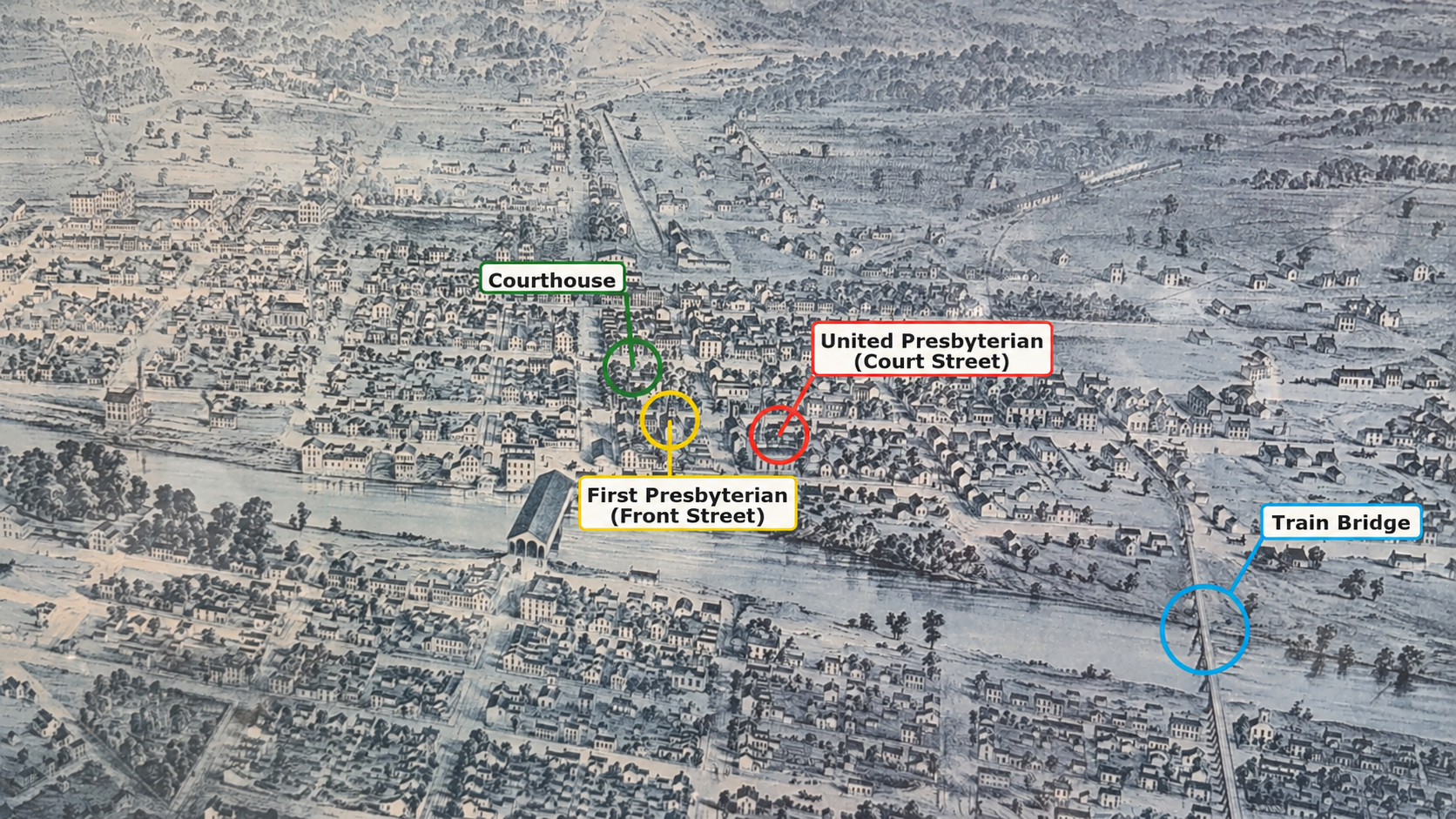
Hamilton abolitionist, Underground Railroad operative, Black political leader, antislavery writer, and voting-rights advocate.
VIEW PROFILE →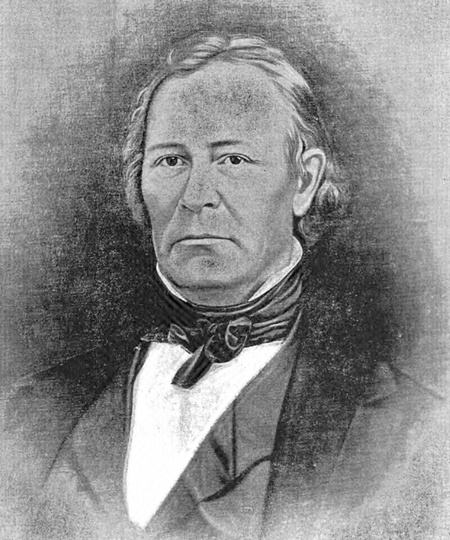
Attorney, civic leader, and principal correspondence contact identified by McMaken.
VIEW PROFILE →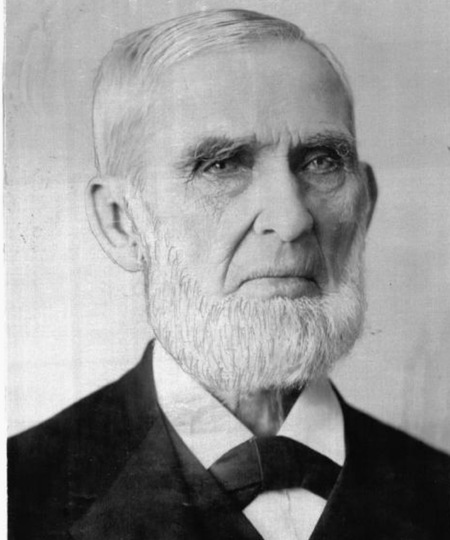
Hamilton participant and later witness whose testimony preserves key local operational details.
VIEW PEOPLE →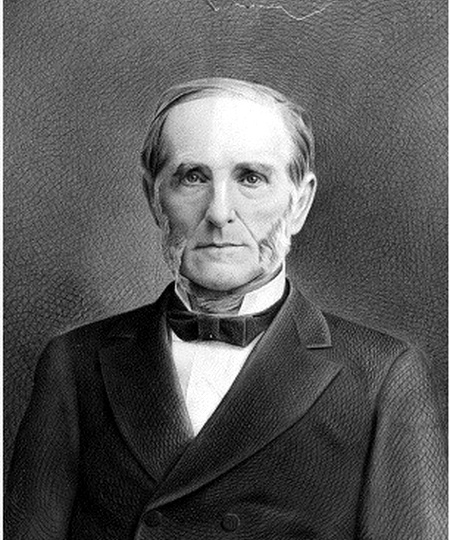
Hamilton attorney and First Presbyterian leader connected directly to the 1854 legal intervention.
VIEW PROFILE →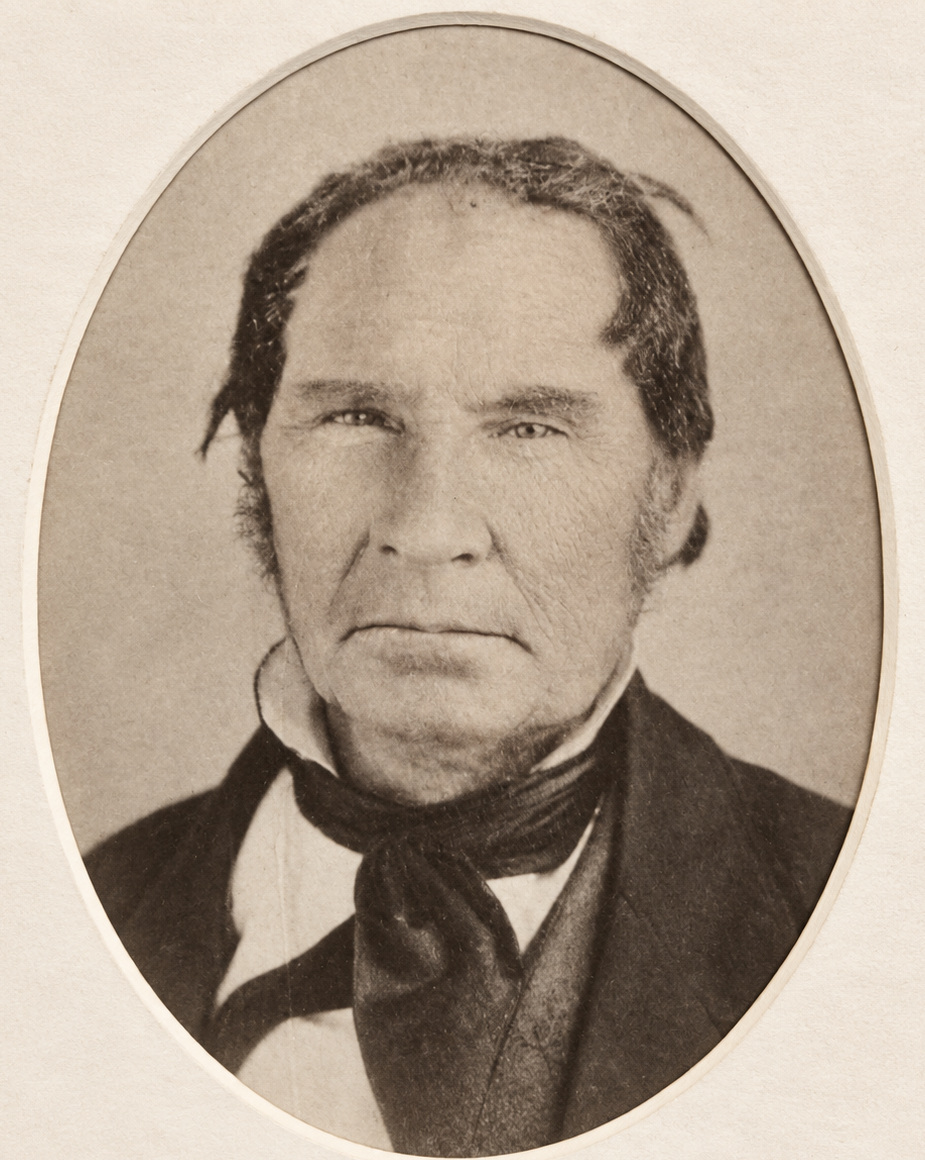
Associate Reformed minister tied to Hamilton's early organized antislavery religious culture.
VIEW PROFILE →Walk six downtown stops tied to the 1854 case and the legal, Presbyterian, Black community, and railroad networks surrounding it. The tour includes a current Google walking-map view and practical modern navigation points.
Open the Tour & MapSite of the 1846 jail, using the current Post Office property as the working navigation point.
Documented detention siteHabeas corpus proceeding and legal release.
Documented event siteMcFarland, Lewis, and the legal-church network.
Interpretive network stopJohn Woods, McMaken, and the Associate Reformed network.
Interpretive network stopFirst Ward / Water Street concealment area.
Exact hiding property unresolvedHistoric Great Miami crossing corridor and surviving arches.
Documented route detailA selective public collection of primary sources, historic publications, and images.
EXPLORE →