Congregation organized
A 1941 congregational history states that Scotch Presbyterians from the north of Ireland organized the Associate Reformed Presbyterian Church in Hamilton in 1816.
 CONTACT
A congregation rooted in Hamilton since 1816, closely associated with David McDill, William Davidson, John Woods, Mark Campbell McMaken, and the antislavery Presbyterian network documented in the city's Underground Railroad story.
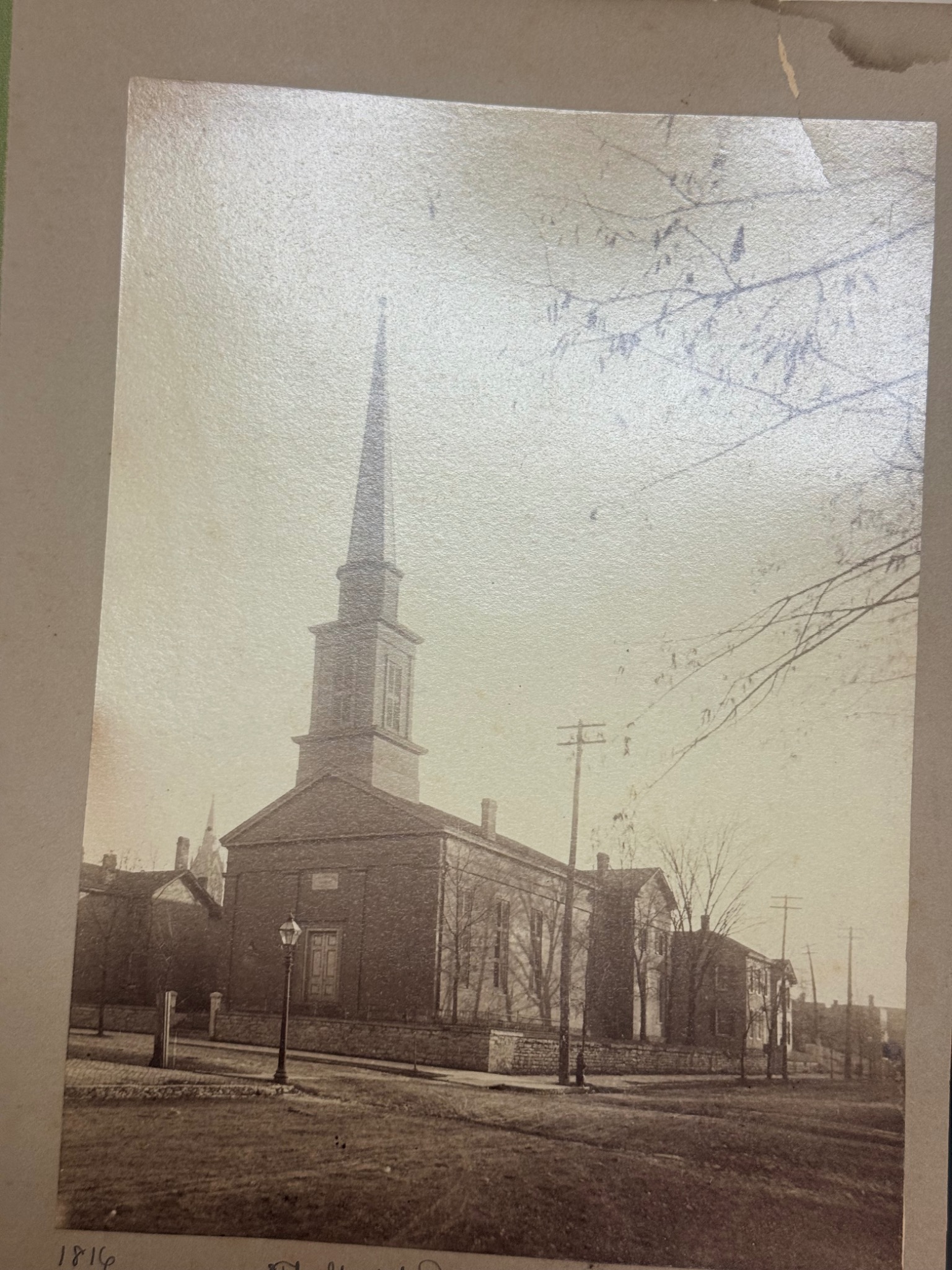
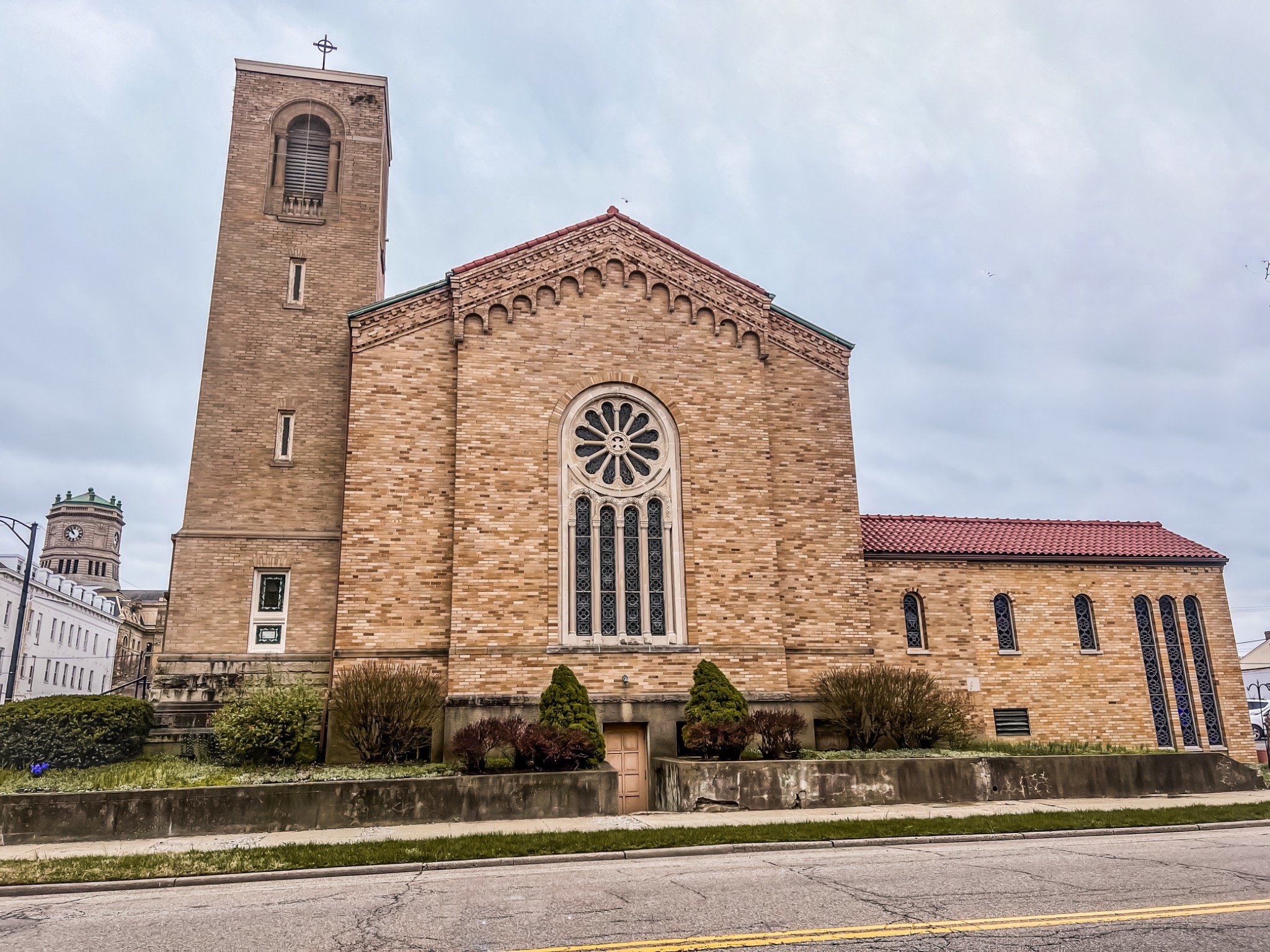
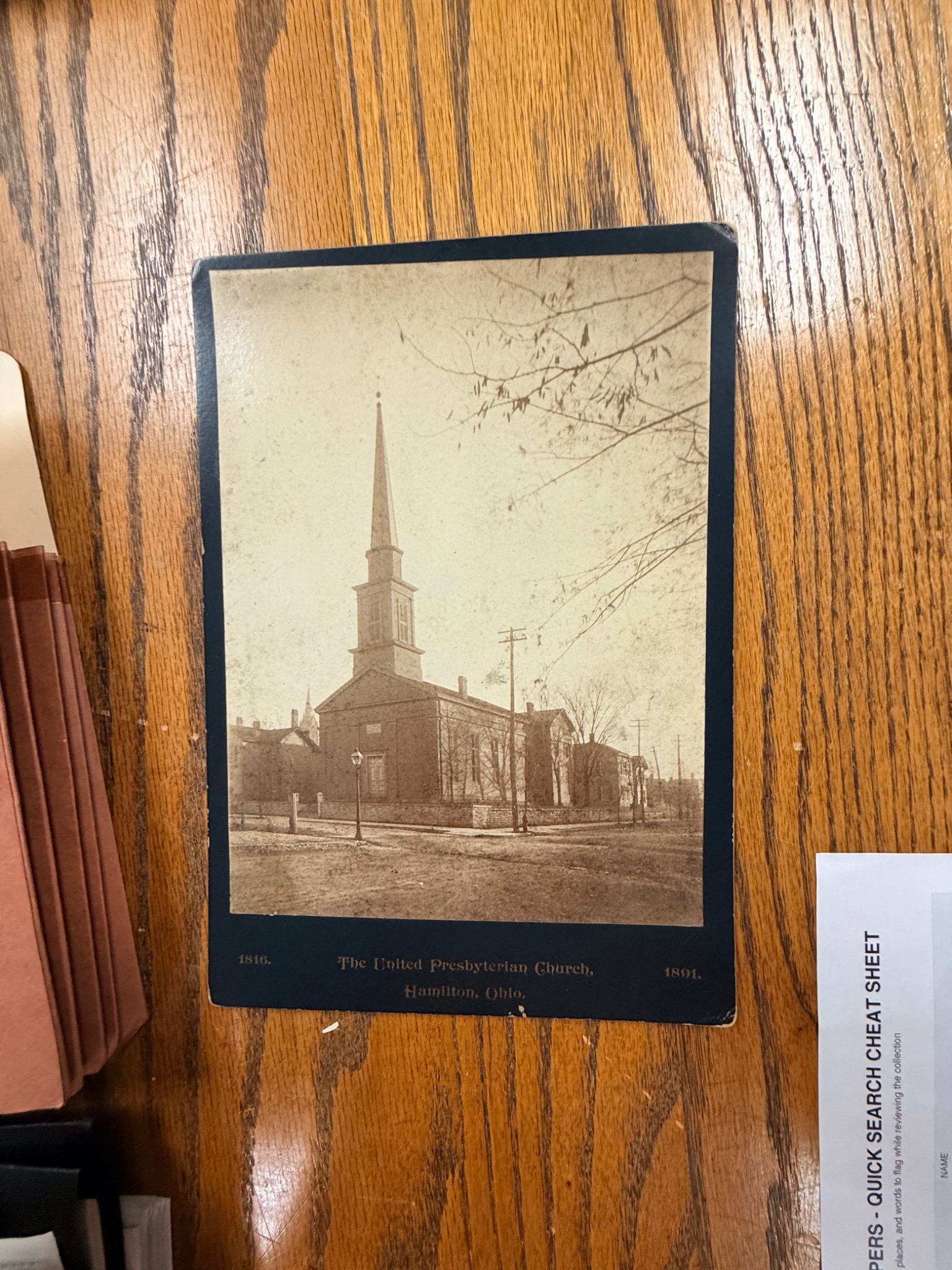
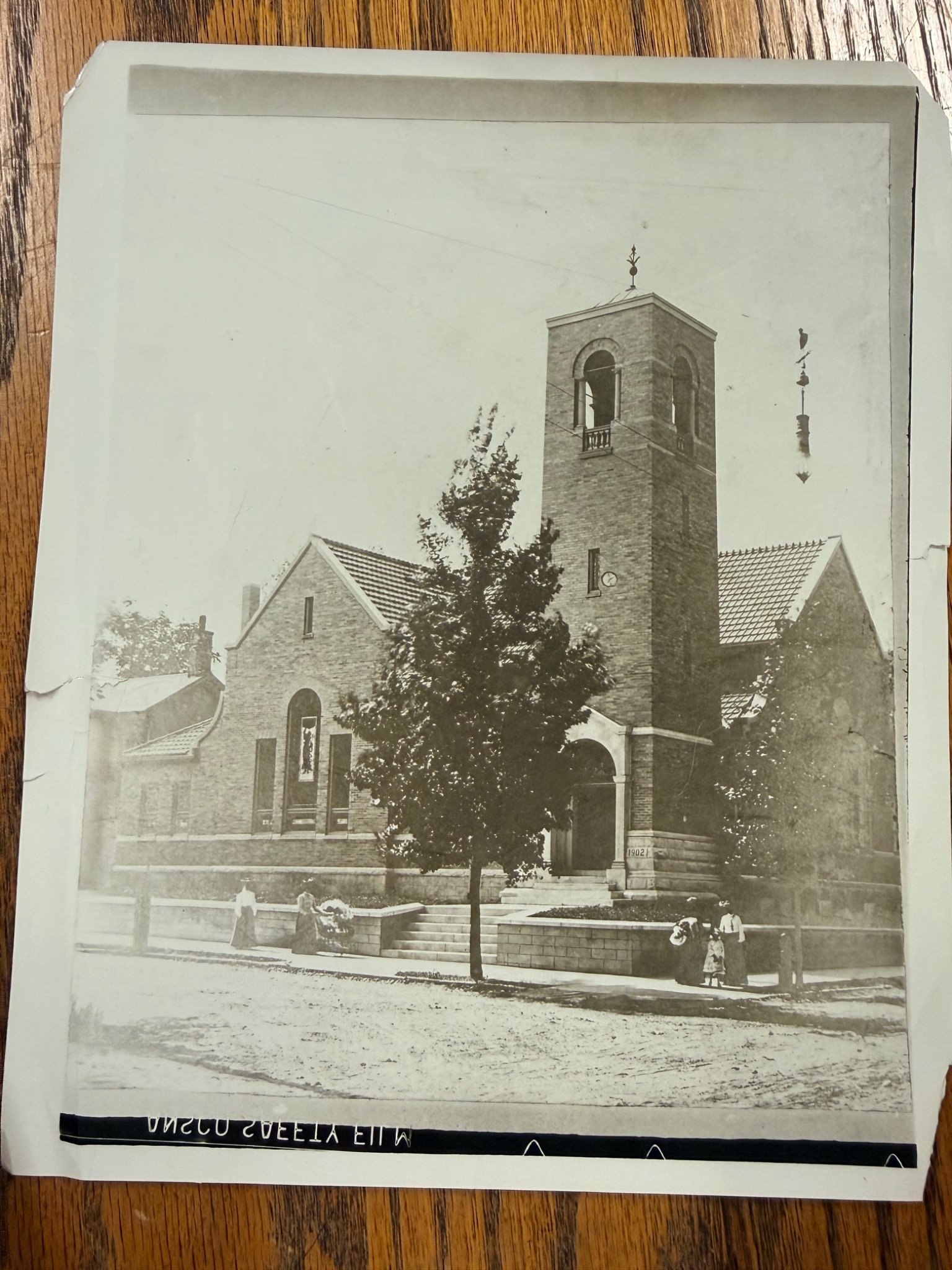
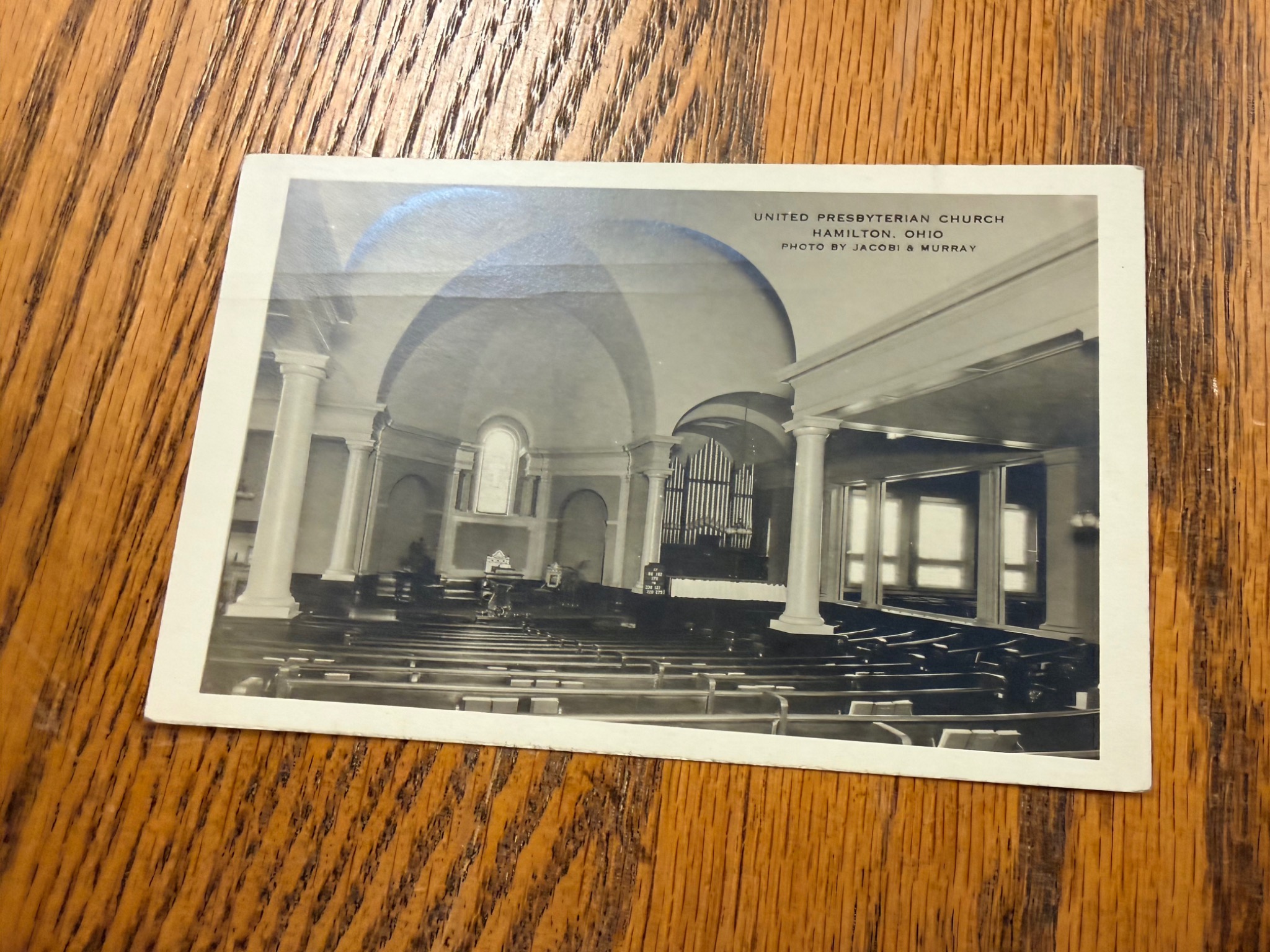
These research photographs document the congregation's changing physical setting. They are site-history evidence, not proof that any church building functioned as an Underground Railroad station.
Mark Campbell McMaken later identified Hamilton's Associate Reformed and Presbyterian congregations as containing the city's active antislavery people. He described John Woods as a leader in Rev. David McDill's congregation and said freedom seekers were generally directed to Woods. McMaken also said that much of the Underground Railroad correspondence came to Woods and “Dr. Rigden.”
That testimony makes this congregation especially important to the Hamilton story. The evidence does not presently prove that a particular church building served as an Underground Railroad station. Instead, the congregation provides the institutional setting for several people who appear in direct operational testimony.
A 1941 congregational history states that Scotch Presbyterians from the north of Ireland organized the Associate Reformed Presbyterian Church in Hamilton in 1816.
McDill became the congregation's first resident minister and served for roughly thirty years.
The Associate Reformed and Presbyterian congregations jointly erected a church on South Third Street between High and Court streets.
The Associate Reformed congregation purchased its own lot at the southeast corner of Court and Water streets, now Monument Avenue, for $100 and erected a modest brick church facing the river.
Later church histories do not give exactly the same date. The 1941 anniversary history places the larger church project in 1852. A separate historical clipping and the 1962 church history give the specific date January 27, 1853 for the additional lot purchase and name trustees John McDaniel, Robert Beckett, and John Woods. The date conflict remains visible pending deed verification.
Under Rev. William Davidson, the congregation organized a Sabbath school that later supported mission schools in surrounding districts and one among Hamilton's Black community.
After the denominational union of the Associate and Associate Reformed Presbyterian churches, the Hamilton congregation became known as the United Presbyterian Church.
A new auditorium was erected and dedicated in 1903. The historic postcard on this page appears to show this building.
The 1913 flood damaged the church. Later church histories state that the congregation restored the building afterward. The 1934 fire, not the flood, is the event documented as leaving only the tower standing.
A historical clipping preserved at BCHS states that the March 12, 1934 fire destroyed almost the entire church and that “the tower of the church, alone, was left standing.” On April 5 the congregation decided to rebuild.
Plans were submitted by the Antenen Engineering Company. The cornerstone was laid November 25, 1934, and the rebuilt church was dedicated June 23, 1935.
A later United Presbyterian newspaper history and the congregation's 1962 history both preserve a specific January 27, 1853 property transaction. They state that trustees John McDaniel, Robert Beckett, and John Woods purchased an additional lot for the congregation. The 1962 history also names a building committee that included Robert Beckett, James Giffen, John McDaniel, and Mark C. McMaken.
This strengthens the documentary link between Woods, McMaken, and the Associate Reformed congregation immediately before the July 1854 freedom seeker case. It remains institutional network evidence rather than proof that the church building sheltered freedom seekers.
A later newspaper history of the United Presbyterian congregation names Rev. Rankin Risk and R. H. Bishop among ministers who passed through Hamilton and preached before David McDill became the resident pastor. The clipping is valuable as a lead for the still-unresolved Rankin Risk investigation, but it is retrospective evidence and does not establish Risk as an Underground Railroad operator.
The Hamilton Evening Journal published the memories of 92-year-old Mrs. Martha Beckett on November 28, 1916. She recalled the congregation's early worship, Sabbath school, winter travel, and Rev. David McDill's ministry. Project research strongly aligns the woman in the article with Martha Woods Beckett, John Woods's daughter, while the website keeps the identification framed as a research conclusion rather than using the article alone as proof.
During McDill's Hamilton ministry, the Associate Reformed denomination repeatedly confronted slavery as a religious and moral issue. In 1826 McDill was involved in the denomination's slavery committee process. The 1827 report condemned American slavery as contrary to the law and Gospel of God. In 1830 the Synod adopted resolutions recognizing human equality and condemning the buying and selling of enslaved people for gain.
Hamilton also became the publication point for the Christian Intelligencer. McDill's biography says that the slavery debate at Synod in 1828 helped prompt the paper's creation, and explicit antislavery material appeared in its first year of publication in 1829. In 1832 the denomination issued a “Letter of Warning” describing slavery as a national sin and a grave moral evil.
Explore David McDill → Read Life of David McDill →This congregational history preserves the building sequence, early worship locations, ministerial chronology, the 1828 Court Street property purchase, the 1852 church, the 1858 denominational change, the 1934 fire, and dedication of the present church in 1935.
Read the 1941 church history → Explore more sources →The 1962 history preserved at BCHS provides a detailed institutional chronology, repeats the January 27, 1853 trustee transaction involving John Woods, and characterizes McDill as an early advocate of antislavery and temperance. As a later church history, it is used to guide and corroborate the chronology rather than treated as direct proof of Underground Railroad operations.
Read the 1962 history →